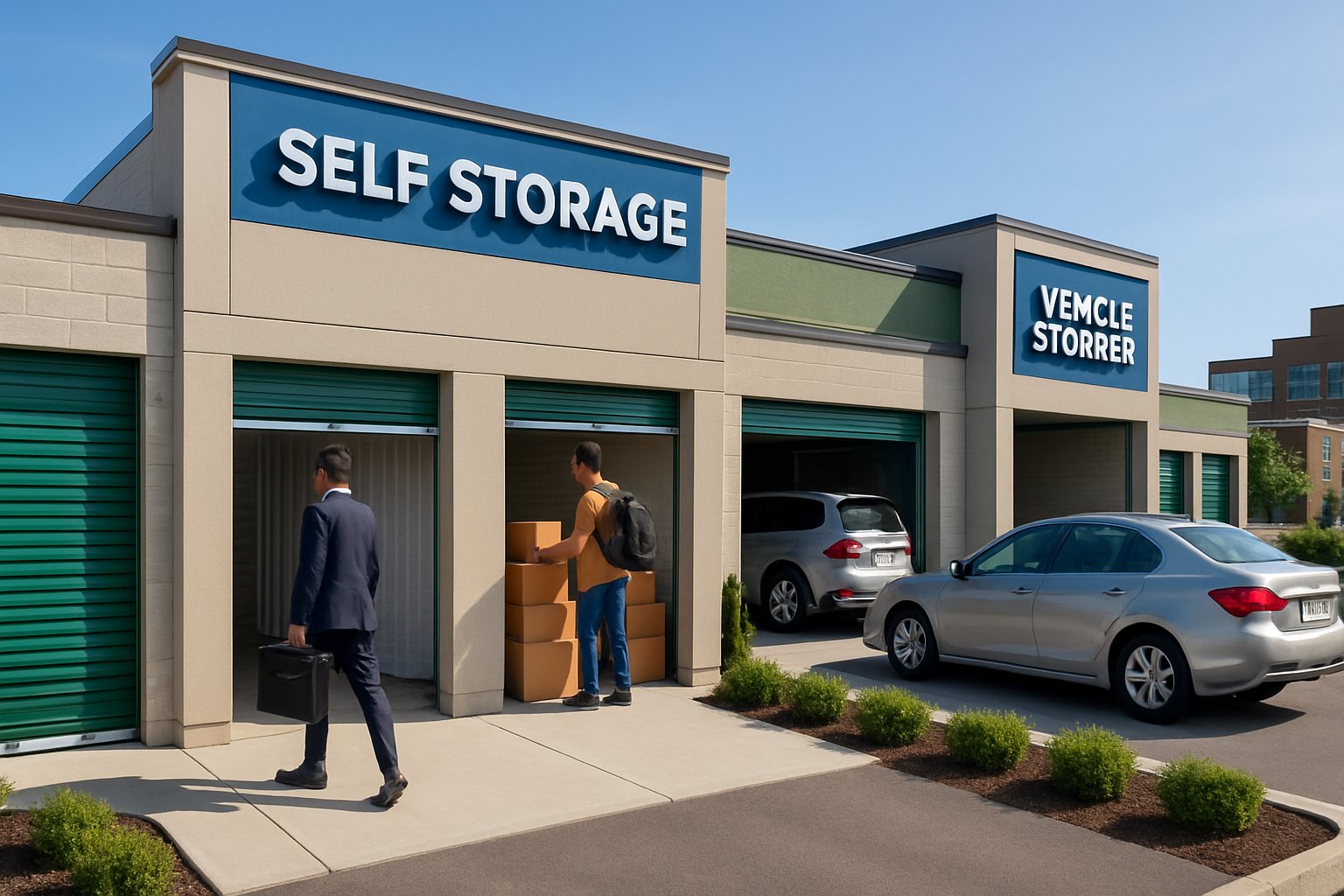









Parking Lot Repair Through Asphalt Sealing and Concrete Sealing
Extend Your Pavements Life
Parking lots are often the first thing people see when visiting a business, the first time, the hundredth time. A well-maintained parking makes a good first impression and boosts curb appeal. Over time, wear and tear can take a toll on your parking area, indoor or outdoor.
Asphalt sealing is a key part of keeping your parking lot in Southern Ontario in top shape. It protects the surface from damage caused by sun, water, and chemicals.
Regular sealing can extend the life of your parking lot by up to 30%. This saves you money on costly repairs down the road.
Concrete sealing is also important for parts of your lot made with concrete. It stops water from seeping in and causing cracks. A sealed lot not only looks better but is safer for drivers and pedestrians. Taking care of your parking area shows you care about your property and your customers.
Understanding the Basics of Parking Lot Repair

Parking lot repair involves fixing common issues and performing regular upkeep to extend the lifespan of your pavement. Proper maintenance can prevent costly damage and keep your lot safe for vehicles and pedestrians.
Identifying Common Parking Lot Issues
Cracks and potholes are frequent problems in parking lots. Cracks often start small but grow larger over time, allowing water to seep in and cause more damage.
Potholes form when water freezes and expands in cracks, breaking up the pavement. They can quickly become hazards for vehicles and people.
Drainage issues are another concern. Poor drainage leads to standing water, which weakens the pavement and speeds up deterioration.
Oxidation causes asphalt to fade and become brittle. This makes the surface more prone to cracking and crumbling.
Benefits of Regular Maintenance
Regular sealcoating is key to protecting your parking lot. It forms a protective layer that shields the pavement from UV rays, water, and chemicals.
Sealcoating can extend your lot’s life by up to 30%. It also improves appearance, giving the surface a fresh, dark look.
Routine maintenance catches small issues before they become big problems. Fixing minor cracks and potholes quickly prevents them from spreading.
Regular upkeep is cost-effective. Maintenance plans can save $0.10-$0.30 per square foot annually over a ten-year period compared to neglecting repairs.
Sealcoating: Protecting Your Asphalt Surface
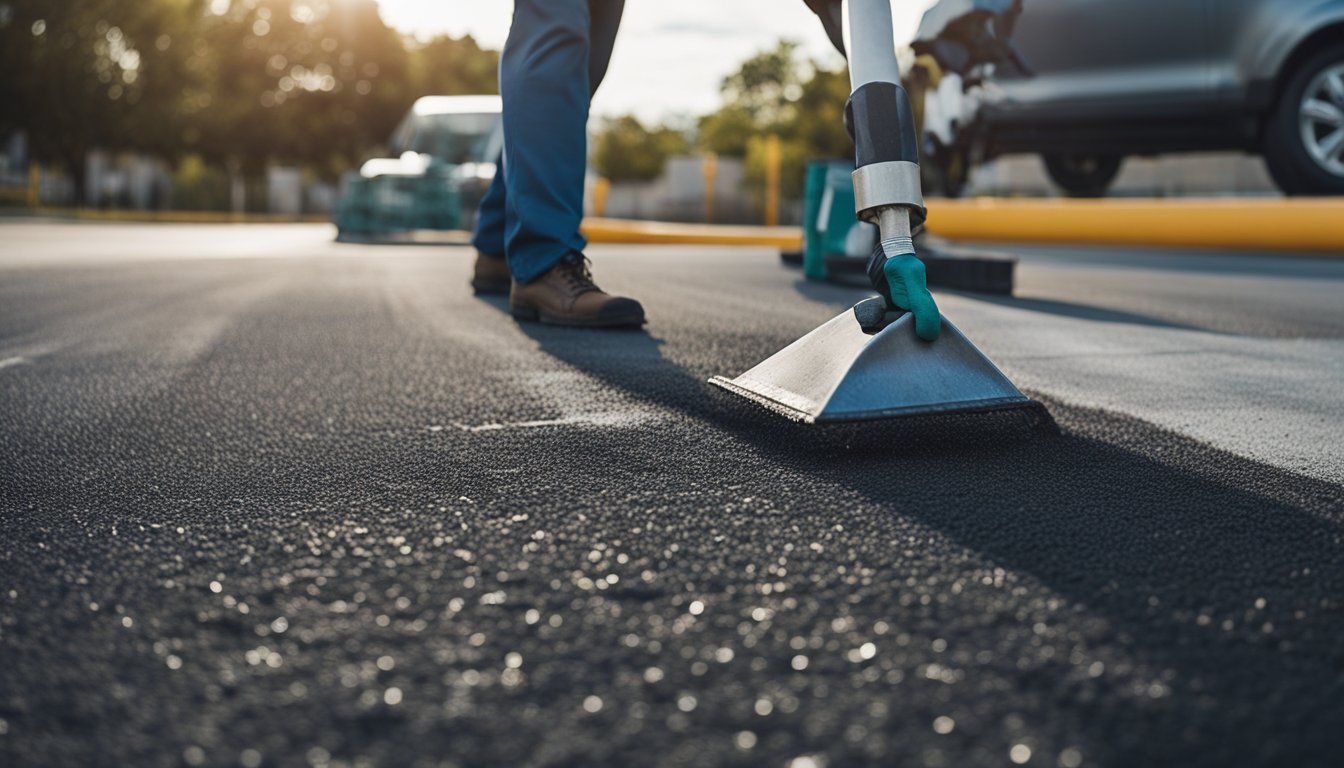
Sealcoating is a key step in maintaining your asphalt surface. It adds a protective layer that shields against damage and extends the life of your pavement.
The Sealcoating Process Explained
The sealcoating process starts with cleaning the asphalt surface. This removes dirt, oil, and debris. Next, any cracks or holes are filled and repaired.
Once the surface is ready, the sealant is applied. This is usually done with a sprayer or squeegee. The sealant needs time to dry, typically 24-48 hours.
For best results, apply two thin coats instead of one thick layer. This ensures even coverage and better protection.
After sealcoating, your asphalt will look new again. It will also be better protected from UV rays, water, and chemicals.
Choosing the Right Sealant for Durability
Picking the right sealant is crucial for long-lasting protection. There are two main types: coal tar-based and asphalt-based sealants.
Coal tar sealants are very durable and resist fuel spills well. But they have a strong odor and can be harmful to the environment.
Asphalt-based sealants are more eco-friendly and have less odor. They’re also easier to apply in cooler temperatures.
For high-traffic areas, look for sealants with added sand or rubber. These provide extra grip and wear resistance.
Consider your climate when choosing a sealant. Some perform better in extreme heat or cold.
Concrete and Asphalt Crack Repair Techniques
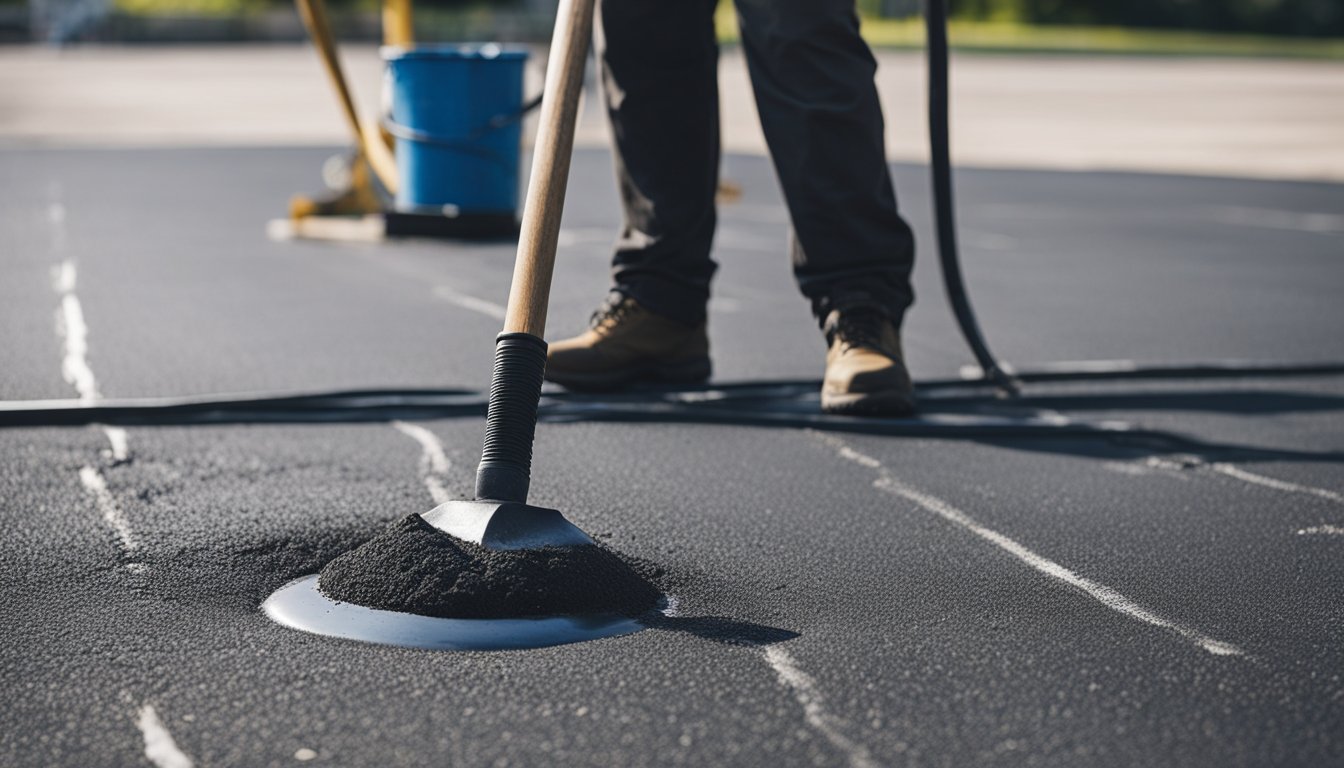
Fixing cracks in parking lots is key to keeping them in good shape. Proper repair methods can stop small issues from becoming big problems.
Effective Crack Filling Methods
To fix cracks in asphalt and concrete, you need the right tools and steps. First, clean out the crack with a wire brush or air compressor. This gets rid of dirt and loose bits. Next, apply a crack filler that matches your surface type. For thin cracks, use a liquid filler. For wider gaps, try a thicker product.
Heat the filler if needed and pour it in slowly. Use a squeegee to spread it evenly. Let it dry fully before driving on it. This can take a few hours to a day, based on the weather and filler type.
Preventing Future Asphalt Cracks
Stop new cracks before they start. Regular sealcoating is a top way to protect your lot. It adds a layer that blocks water, sun, and chemicals. Do this every 2-3 years for best results.
Watch for signs of wear like small cracks or fading colour. Fix these fast to avoid bigger issues. Make sure water drains well off your lot. Standing water can lead to cracks and holes.
Keep heavy trucks off areas not made for them. Their weight can damage the surface over time. In winter, be careful with salt and plowing. Both can hurt your parking lot if not done right.
Optimizing Parking Lot Functionality and Safety
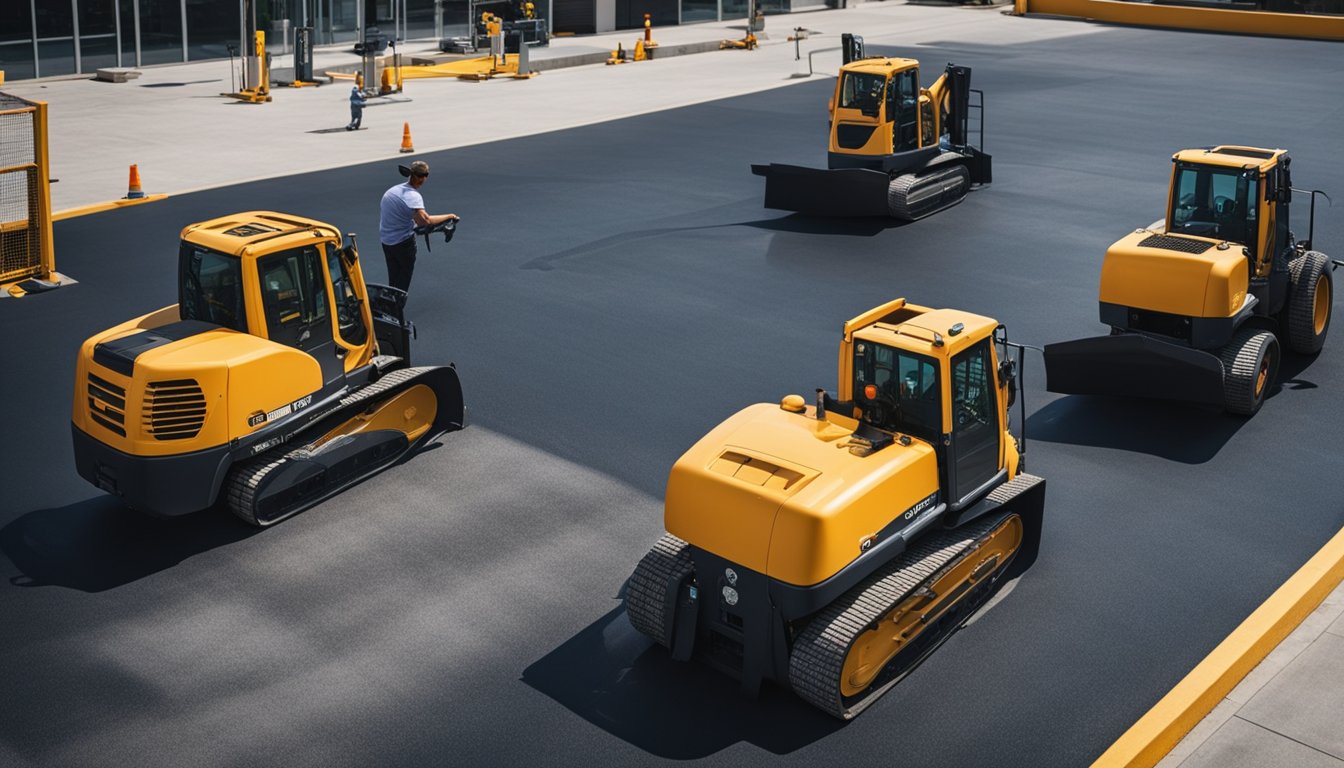
A well-maintained parking lot improves traffic flow and user safety. Proper lot marking and strategic layout design are key to achieving these goals.
Strategies for Enhancing Traffic Flow
To boost parking lot efficiency, focus on smart layout design. Use angled parking spaces to guide traffic in one direction. This can reduce accidents by up to 25%.
Add speed bumps in key areas to slow vehicles. Place them near pedestrian crossings and tight turns.
Install clear signage to direct drivers. Use large, easy-to-read signs for entrances, exits, and parking zones.
Create dedicated lanes for entering and exiting vehicles. This prevents bottlenecks during busy times.
Consider adding a drop-off zone near building entrances. This eases congestion and improves accessibility.
Regular re-striping keeps parking spaces visible. Plan to repaint lines every 18-24 months, or sooner if fading occurs.
Use bright, contrasting colours for lot markings. White or yellow lines stand out best against dark asphalt.
Paint clear directional arrows to guide traffic flow. Add stop lines at intersections and exits.
Mark handicap spaces clearly with blue paint and proper signage. Ensure these spots meet current accessibility standards.
Don’t forget to mark fire lanes and no-parking zones. Use red paint and “No Parking” stencils for clarity.
Consider adding reflective paint to improve visibility at night. This is especially helpful for lot edges and speed bumps.
Creating a Maintenance Plan for Long-Term Preservation
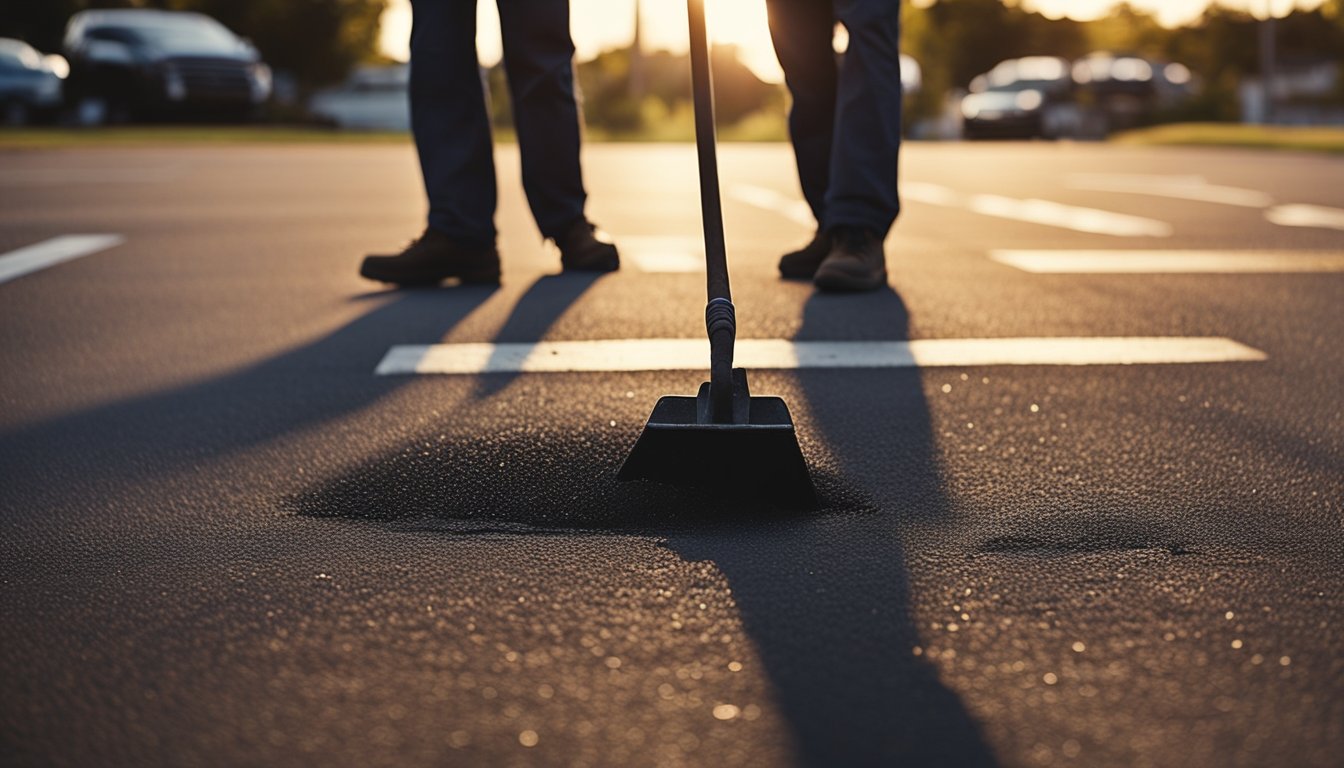
A well-structured maintenance plan is key to keeping your parking lot in top shape. Regular upkeep can extend the life of your asphalt and save you money in the long run.
Start by inspecting your parking lot regularly. Look for cracks, potholes, and signs of water damage. Catch these issues early to prevent them from growing.
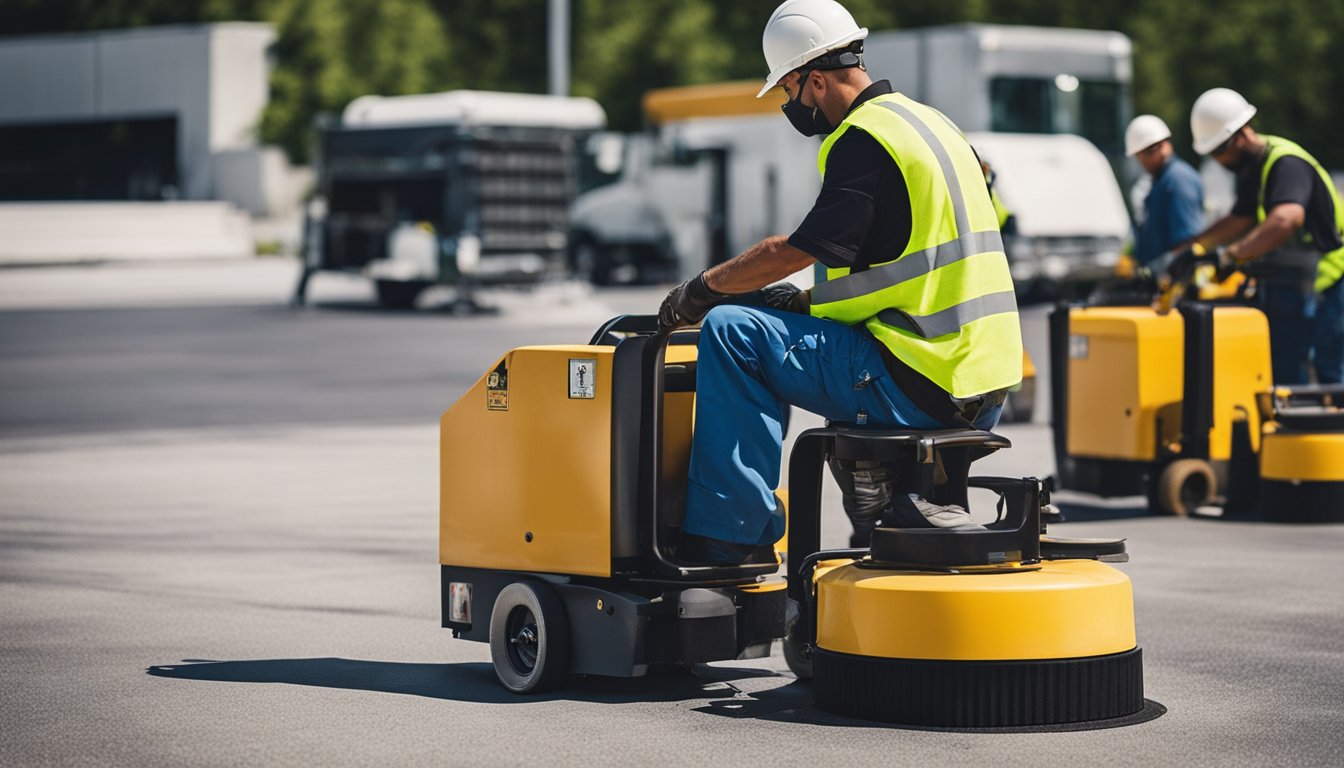
Next, focus on parking lot cleaning. Remove debris, dirt, and oil stains promptly. This helps maintain the surface and improves its appearance.
Water drainage is crucial. Make sure your lot has proper slopes and working drains. Poor drainage can lead to water pooling, which damages the asphalt over time.
Consider parking lot sealing every 2-3 years. This protects the surface from weather damage and extends its lifespan.
Schedule repairs promptly when needed. Small cracks can quickly become big problems if left untreated.
Work with a reliable paving contractor for major repairs and resurfacing. They can provide expert advice and quality work.
Keep detailed records of all maintenance activities. This helps you track the parking lot’s condition over time and plan future repairs.
By following these steps, you can create an effective maintenance plan that will keep your parking lot in great condition for years to come.
Frequently Asked Questions

Parking lot sealing is an important maintenance task. Many property owners have questions about the process, costs, and benefits.
What is the average cost to seal an asphalt parking lot?
The cost to seal an asphalt parking lot varies. It depends on the size and condition of the lot. On average, sealing costs between $0.10 to $0.25 per square foot. For a 5,000 square foot lot, you might pay $500 to $1,250.
How often is it recommended to reseal a parking lot to maintain its condition?
You should reseal your parking lot every 3-5 years. This helps extend the life of your asphalt. Regular sealing protects against weather damage and wear from vehicles.
Is sealing a concrete parking lot necessary, and if so, what are the advantages?
Sealing a concrete parking lot is necessary. It protects the surface from stains, moisture, and chemicals. Sealed concrete lasts longer and looks better. It’s easier to clean and maintain.
What steps are involved in professionally sealing a parking lot?
Professional parking lot sealing involves several steps:
- Clean the surface thoroughly
- Repair cracks and damage
- Apply the sealant evenly
- Allow proper drying time
Proper preparation is key to a successful seal coat.
Can weather conditions affect the sealing process of asphalt and concrete parking lots?
Weather can impact the sealing process. Ideal conditions are dry and warm. Rain can wash away fresh sealant. Cold temperatures slow drying time. Professionals check the forecast before scheduling sealing work.
What are the signs that a parking lot needs repair and sealing?
Look for these signs that your parking lot needs repair and sealing:
- Cracks wider than 1/4 inch
- Faded or dull surface color
- Water pooling after rain
- Rough or uneven texture
- Visible wear in high-traffic areas
Addressing these issues quickly can prevent more costly repairs later.